Archive
History of DIMK Serbia
History of the Society for Testing and Research of Materials and Structures of Serbia – DIMK Serbia -
The work of this Society in Serbia continues the work of the Union of Yugoslav Laboratories – SJL, and later the Yugoslav Society for Materials and Structures Testing and Research – JUDIMK.
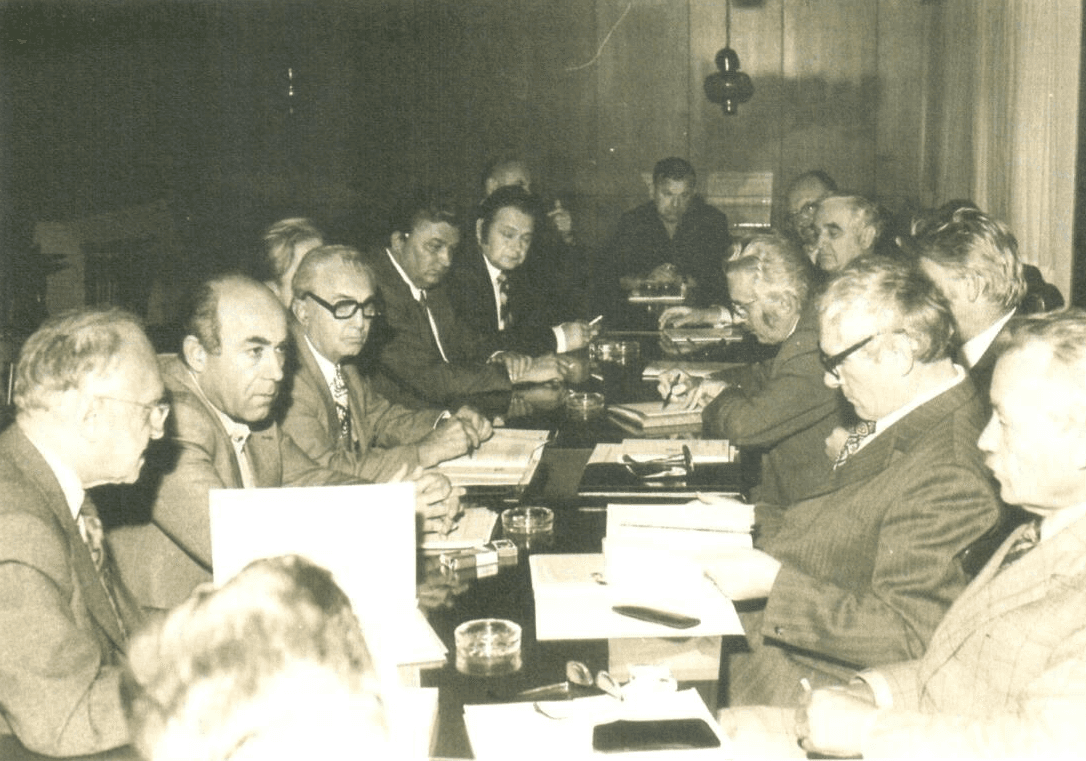
The Union of Yugoslav Laboratories was founded at the constituent assembly held on May 10, 1952, in Belgrade. Thirteen eminent experts from Belgrade, Zagreb, Ljubljana, and Sarajevo, representing twelve institutes, institutions, laboratories, and faculties, participated in the work of the constituent assembly. Milutin Maksimović, B.Sc. (Eng.), head of the 1st department of the Institute for Materials Testing of the Serbian Academy of Sciences, was elected president of the Union. The basic organizational concept of SJL was based on collective and individual membership, which has been maintained to this day. Immediately after its formation, SJL carried out a campaign to recruit as many laboratories, institutes, and institutions as possible. In that period, about 40 potential collective members were identified, including laboratories operating within companies, as well as at construction sites. The initial response was such that only ten more laboratories joined.
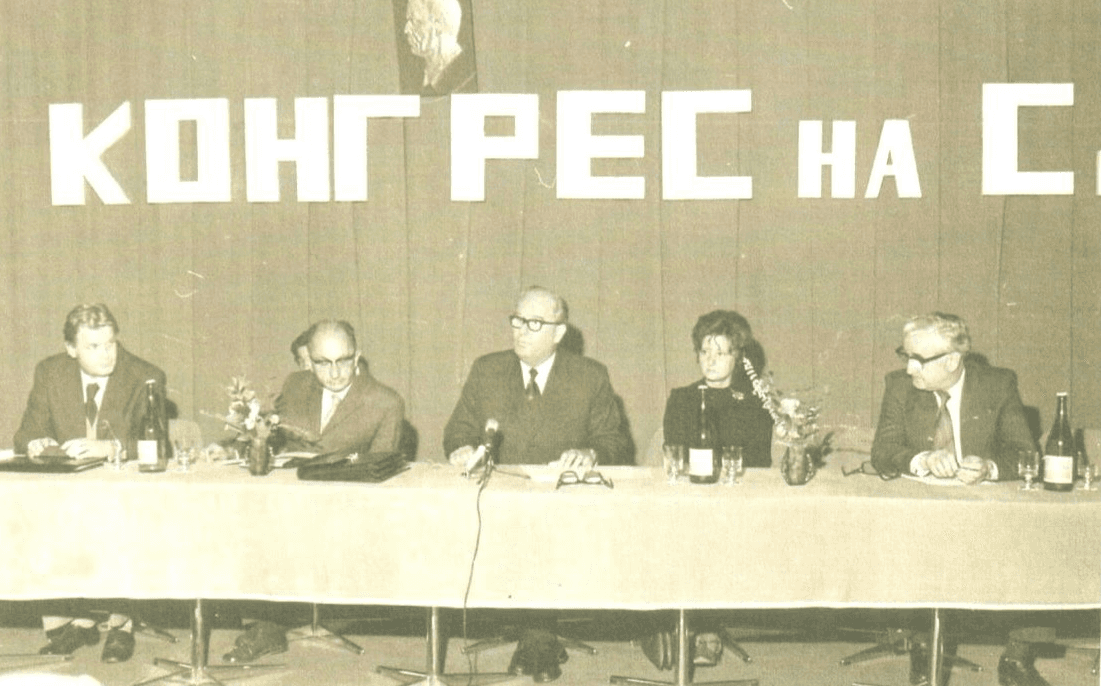
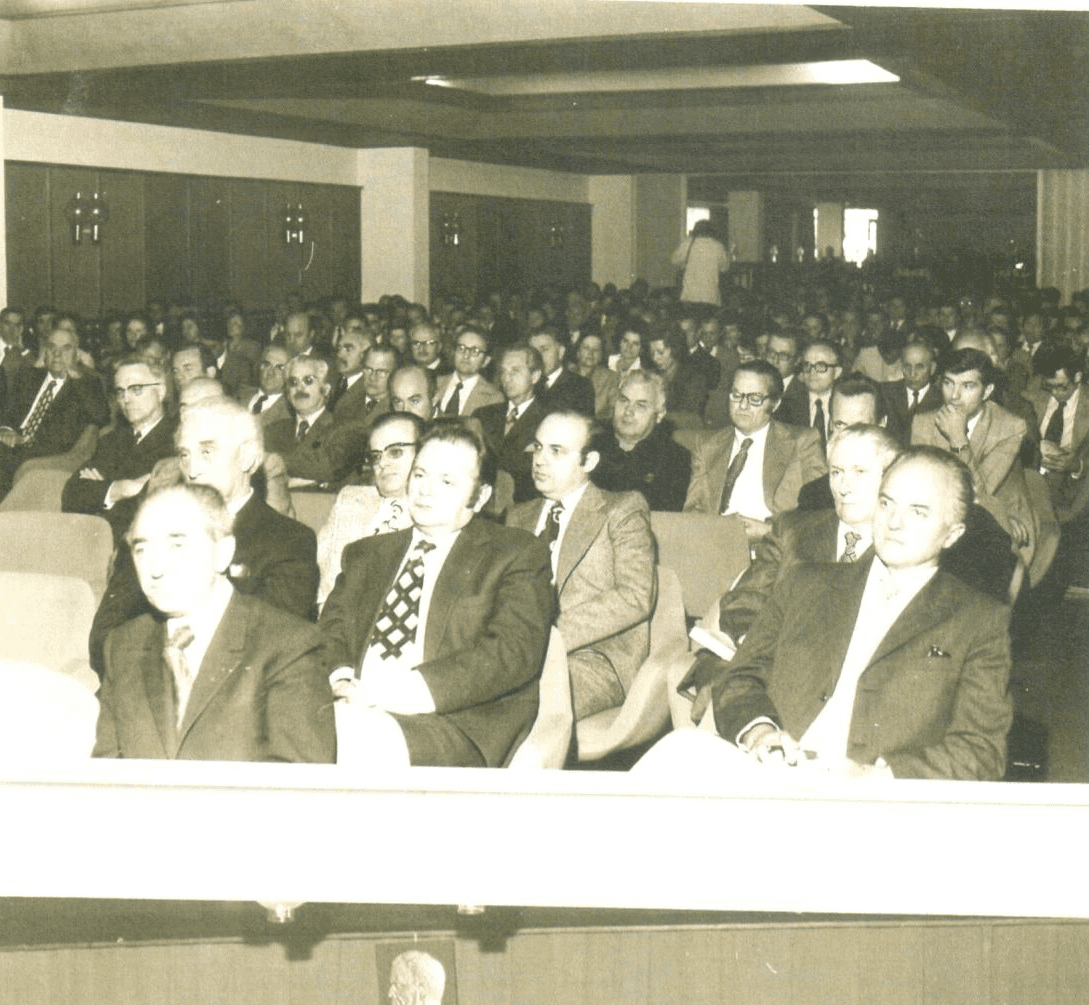
Already at the constituent Assembly, a desire was expressed to bring the SJL closer to RILEM, both organizationally and through its activities. Therefore, a permanent delegate and representative of SJL in RILEM were elected at the constituent assembly. This activity resulted in admission to RILEM membership on September 12, 1952, at the congress in The Hague. It should be especially noted that at the XI Congress held in London in July 1958, Julije Hahamović, a professor at the Technical Faculty in Sarajevo, was elected president of RILEM. This created even more favorable conditions for the work of the SJL, which resulted in the holding of the XII RILEM Congress from September 6 to 12, 1959, in the former Yugoslavia. The Congress was attended by representatives from 25 countries, and the activities of the Congress took place in Belgrade, Zagreb, and Ljubljana, along with numerous and rich accompanying events.
In addition to its membership in RILEM, SJL was a member of the then Union of Civil Engineers and Technicians of Yugoslavia (SGITJ). In this sense, a certain continuity still exists today because DIMK is also a member of the SGI of Serbia. Through its activities in society, primarily in the field of construction improvement, the Union has become a very important factor among engineering organizations.
In order to promote the work and achievements in the field of materials and structures research, SJL initiated the publication of the journal "Bilten" (Bulletin). The decision on this was made at the VIII Annual Assembly held in May 1957 in Sarajevo. At the XI Assembly of SJL held in Belgrade on April 27, 1963, three years after the X Assembly in Zagreb, the proposal of the editorial board of "Bilten" to change the name of the journal to "Materijali i konstrukcije" (Materials and Structures) was accepted. In parallel with the publishing activity, the holding of scientific and professional gatherings also began, so back on June 12, 1958, a conference titled "Materials and Structures in Residential Construction" was held in Belgrade. Organizing symposia, conferences, round tables, as well as other forms of disseminating scientific thought, became a permanent activity of the Society and has been preserved to this day.
SJL carried out a particularly significant activity during 1963 in connection with the catastrophic earthquake in Skopje. In the background of intense work to eliminate the consequences of the catastrophic destruction, SJL experts from institutes and institutions in Skopje, Belgrade, Zagreb, Sarajevo, and Ljubljana recorded and later, using scientific methods, processed and studied material about the earthquake and its consequences. This resulted in a very comprehensive report that partly served as the basis for the drafting of the Temporary Technical Regulations for Construction in Seismic Areas.
Already at its founding in 1952, SJL set as one of its main tasks the work on drafting various standards for testing materials, whether they were domestic or translations of foreign standards. Later, this activity expanded to the entire field of civil engineering.
Back in 1960, at the Assembly in Zagreb, SJL made a decision to form, within the Union as a competent and objective professional organization, technical committees composed of experts from scientific organizations, faculties, industry, and state administration for the purpose of drafting technical regulation acts. Thus, during the sixties and until the early seventies of the last century, a large number of Yugoslav technical regulations were compiled and a large number of accompanying standards (JUS) were drafted. Only some of the regulations that were worked on will be listed here: Regulations in the field of steel structures (1961), Yugoslav technical regulations for earthquake-resistant construction (1964), Study on concrete corrosion (1963).
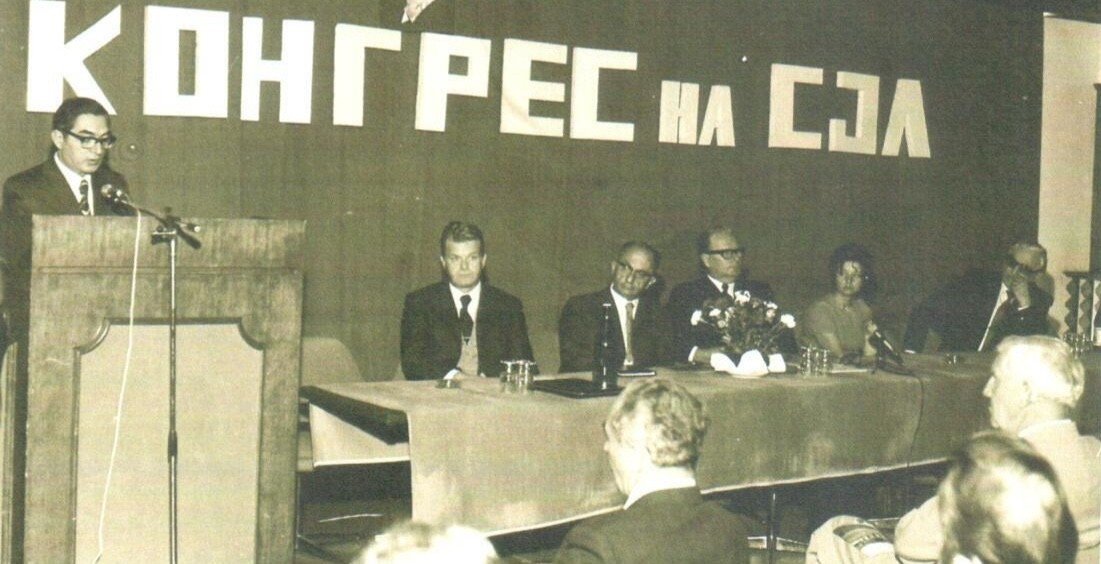
In the period from 1967 until publication in 1970, work was done on a whole set of regulations for: prestressed concrete, concrete and reinforced concrete, walls, thermal insulation, acoustic insulation, wooden structures, composite structures, assembly of steel structures, and protection of steel structures against corrosion (a total of 9 regulations). This extensive work was successfully completed with the engagement of eminent experts from institutes, faculties, and other relevant organizations from all former republics.
The engagement in drafting regulations in the field of reinforced and prestressed concrete is particularly significant, which were first published in 1971 – Code BAB 71, which was later amended so that Code BAB 87, published by JUDIMK and SDGKJ, entered into force.
In the early eighties, JUDIMK initiated cooperation with the Federal Bureau of Standardization in order to establish and shape a new product certification system. For example, JUDIMK prepared the first order on mandatory certification of cement, certain precast concrete elements, aggregates, and some waterproofing materials. The work of the Society on drafting the so-called technical regulations remains present to this day. It should be specially noted that JUDIMK, together with SDGKJ and the Faculty of Civil Engineering in Belgrade, initiated a proposal in 1993 with the Federal Bureau of Standardization to proceed with the translation and introduction of Eurocodes to the professional public.
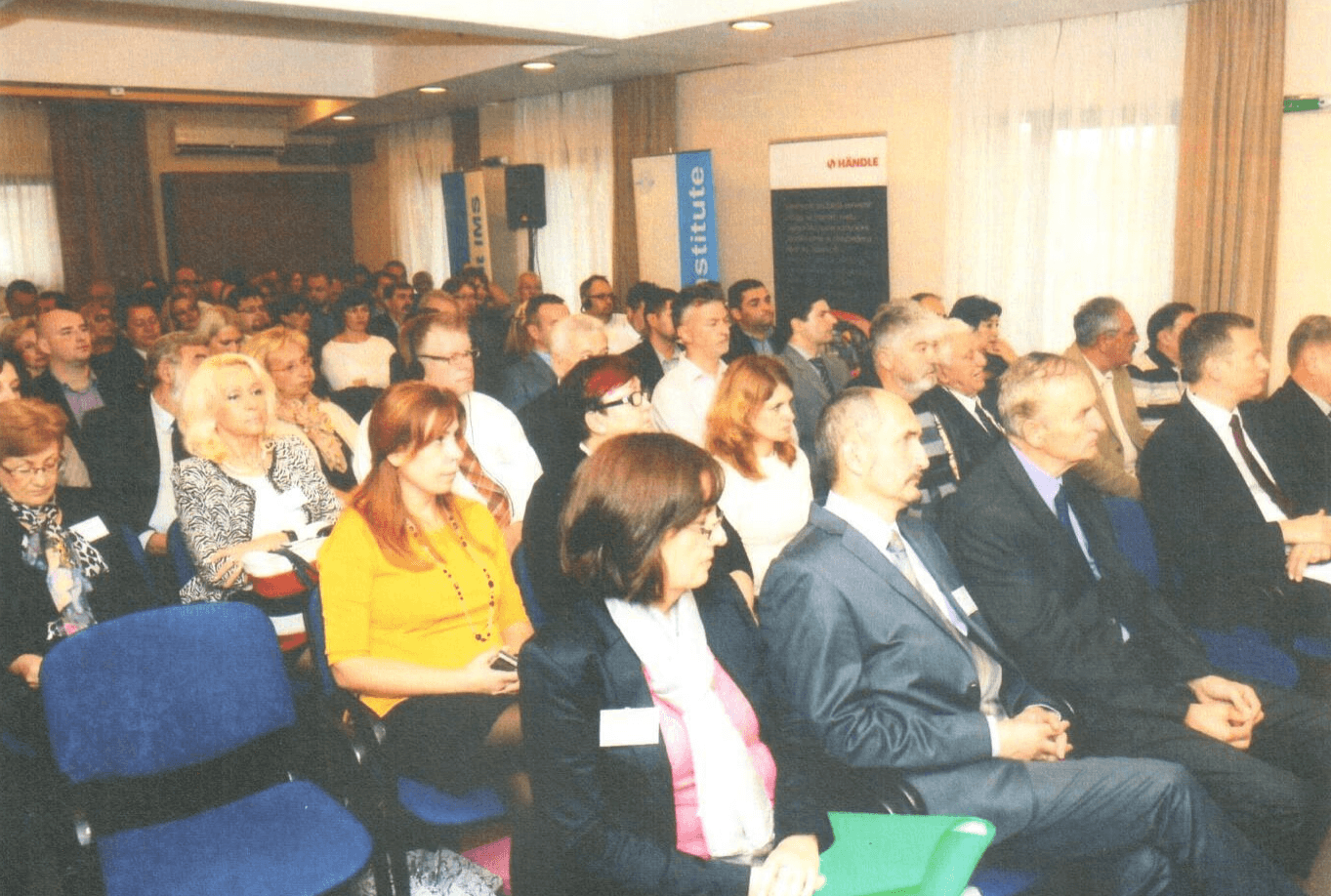
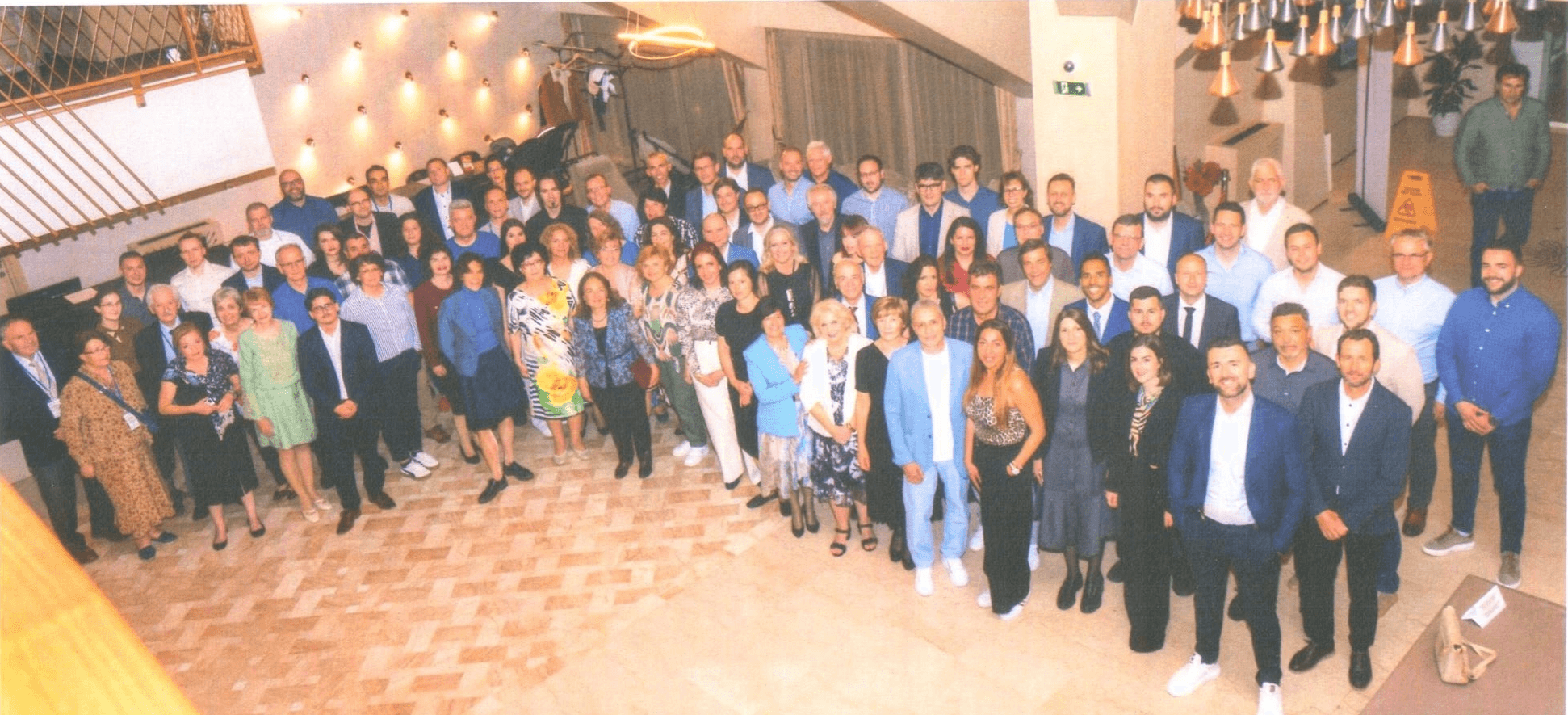
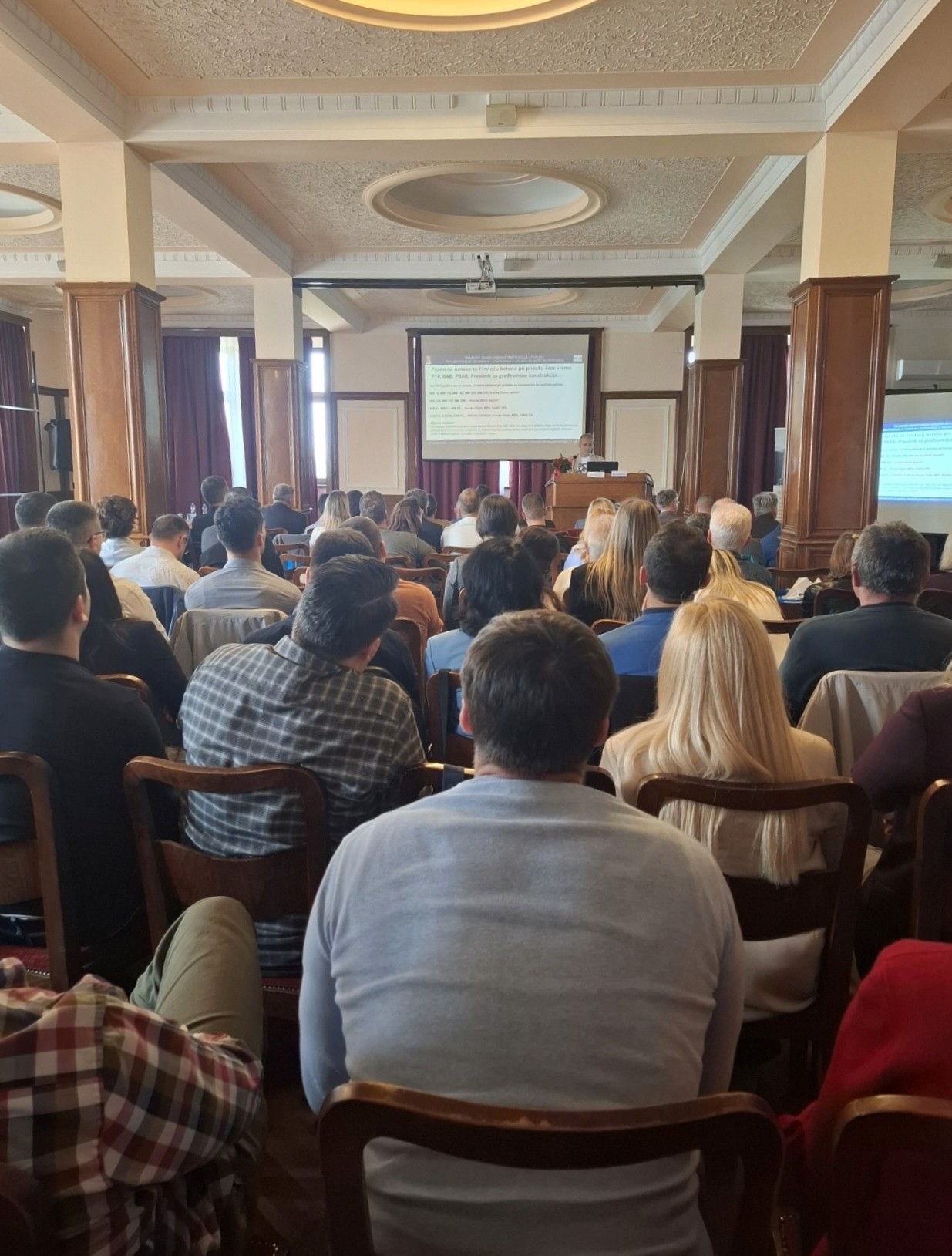
During the past decades, seventeen Congresses and Symposia on the application of modern achievements in our construction industry in the field of materials and structures were held, namely:
XII Congress and Symposium of SJL in Sarajevo, November 1966. Milutin Maksimović, B.Sc. (Eng.), who was also the first president of SJL in 1952, was elected President of the Board of Directors.
XIII Congress and Symposium of SJL in Bled, November 1969. Viktor Turnšek, B.Sc. (Eng.), who was also the president of SJL in the period from 1957 to 1958, was elected President of the Board of Directors.
XIV Congress and Symposium of SJL, Haludovo – Malinska, October 1972. Stanko Manestar, B.Sc. (Eng.), was elected President of the Board of Directors.
XV Congress and Symposium of SJL, Ohrid, October 1975. Prof. Hololčev Krum, B.Sc. (Eng.), was elected President of the Board of Directors.
XVI Congress and Symposium of SJL, Vrnjačka Banja, November 1978. At this Congress, the Union of Yugoslav Laboratories changed its name to the Yugoslav Society for Materials and Structures Testing and Research – JUDIMK. Prof. Dobrosav Jevtić, B.Sc. (Eng.), was elected President of the Board of Directors, whose function was later taken over by Prof. Aleksandar Flašar.
XVII Congress and Symposium of JUDIMK, Sarajevo – Ilidža, October 1982. Prof. Seid Ferušić, B.Sc. (Eng.), was elected President of JUDIMK, whose function was later taken over by Assistant Prof. Dr. Jože Vižintin.
XVIII Congress and Symposium of JUDIMK, Portorož, October 1986. Dr. Andrej Zajc was elected President of the Board of Directors.
XIX Congress and Symposium of JUDIMK, Novi Sad, September 1990. Prof. Aleksandar Flašar was elected President of the Society.
XX Congress and Symposium of JUDIMK, Cetinje, June 1996. Dr. Đorđe Uzelac was elected President of the Society.
XXI Congress and Symposium of JUDIMK, Belgrade, September 1999. Prof. Dr. Mihailo Muravljov was elected President of the Society.
XXII Congress and Symposium of JUDIMK, Niška Banja, October 2002. The mandate of the President of the Society, Prof. Dr. Mihailo Muravljov, was extended.
XXIII Congress and Symposium of DIMK of Serbia and Montenegro, Novi Sad, October 2005. The mandate of the President of the Society, Prof. Dr. Mihailo Muravljov, was extended.
XXIV Congress and Symposium of DIMK of Serbia, Divčibare, October 2008. Prof. Dr. Vlastimir Radonjanin was elected President of the Society.
XXV Congress and Symposium of DIMK of Serbia, Tara, October 2011. Prof. Dr. Zoran Grdić was elected President of the Society.
XXVI Congress and Symposium of DIMK of Serbia, Vrnjačka Banja, October 2014. Prof. Dr. Dragica Jevtić was elected President of the Society.
XXVII Congress and Symposium of DIMK of Serbia, Vršac, October 2017. Prof. Dr. Dragica Jevtić was re-elected President of the Society.
XXVIII Congress and Symposium of DIMK of Serbia, Divčibare, October 2022. Dr. Zagorka Radojević, B.Sc. (Chem. Eng.), was elected President of the Society.
At the Assembly of DIMK of Serbia on December 26, 2023, Prof. Dr. Dimitrije Zakić was elected President of the Society.
At the Assembly of DIMK of Serbia on June 17, 2025, Prof. Dr. Nenad Ristić was elected President of the Society.